The Hidden Cost of Neglecting Salt Buildup on Your Home
@rylanoaqy728
Living on the Mornington Peninsula means enjoying beaches, bay views and fresh sea air. It also means your home is exposed to a constant, invisible layer of salt. Whether you live in Sorrento, Rye, Mount Martha, Mornington, Flinders or Portsea, salt-laden air and spray settle on your roof, walls, windows and outdoor structures every day. Left unchecked, that buildup quietly eats into your property's condition and value.
Why Salt Is a Bigger Problem on the Peninsula
The Peninsula is surrounded by water on three sides: Port Phillip Bay to the west, Western Port to the east and Bass Strait along the ocean-facing coast. Onshore winds carry fine salt particles inland, and homes near the coast receive the heaviest deposits. Even properties a few kilometres back from the water can be affected, particularly during strong southerly and south-westerly weather.
Salt is hygroscopic, meaning it attracts and holds moisture from the air. A salt-coated surface stays damp for longer than a clean one, which speeds up corrosion, encourages mould and algae, and https://andyqzcr216.lumenforgex.com/posts/a-homeowner-x27-s-complete-guide-to-cleaning-timber-decks-safely breaks down protective coatings. Because the layer is thin and often clear, it is easy to overlook until damage becomes obvious.

Where Salt Buildup Does the Most Damage
Roofing and Gutters
Metal roofing, such as Colorbond and galvanised steel, is common across the Peninsula. Salt deposits can break down the protective coating, especially in areas that rain does not wash. Under eaves, in valleys and around fixings, salt stays put and corrosion often begins there. Gutters collect salt, leaf litter and moisture, creating a corrosive sludge that leads to rust-through, leaks and blocked downpipes.
Many manufacturers specify regular cleaning of sheltered roof and wall areas in coastal environments, and failure to do so can affect warranty coverage. It is worth checking the documentation that came with your roofing or cladding.
Windows, Frames and Glass
Salt film clouds glass and, when combined with sun, can leave stubborn residue. Aluminium window frames can develop white, powdery oxidation and pitting. Sliding door tracks and window hardware clog with salt and grit, causing stiffness, wear and eventual failure of rollers and locks.
Painted Surfaces and Cladding
Salt undermines paint adhesion. Over time you may notice bubbling, flaking or chalky fading on weatherboards, fascias, eaves and rendered walls. Once the coating fails, moisture reaches the substrate, leading to timber rot or rust on metal. Repainting sooner than expected is one of the most common hidden costs of neglect.
Brick, Concrete and Masonry
Salt can migrate into porous brick, mortar and concrete. As moisture evaporates, salts crystallise inside the material and expand, causing salt attack. Signs include crumbling mortar, flaking brick faces, white crusty deposits (efflorescence) and spalling concrete. Repairs such as repointing or brick replacement are far more expensive than regular washing.
Decks, Fences, Outdoor Furniture and Fixtures
Timber decking can become slippery from salt-assisted algae growth, and metal fixings corrode and stain the timber around them. Gates, hinges, letterboxes, clotheslines, barbecues and light fittings all rust faster in salty conditions. Pool fencing hardware is a safety-critical item that deserves regular attention.
The Real Financial Impact
The cost of neglect rarely appears as a single bill. It accumulates in several ways:
- Shortened lifespan of materials: Roofing, gutters, window frames and paint finishes may need replacement years ahead of schedule.
- Escalating repair costs: Minor surface corrosion is inexpensive to treat, while structural rust or rotted timber often requires full replacement.
- Warranty complications: Some product warranties require periodic cleaning in marine environments, and lack of maintenance may weaken a claim.
- Reduced resale value: Stained, streaked or corroded exteriors hurt street appeal and can lead buyers to negotiate on price or request building inspections.
- Higher energy and maintenance costs: Dirty or corroded surfaces, blocked gutters and stiff windows reduce efficiency and increase the frequency of repairs.
Signs Your Home Needs Attention
Look for these warning signs during a walk-around of your property:

- White, chalky or powdery residue on walls, frames or roofing.
- Rust spots or orange streaks beneath fixings, screws and gutters.
- Paint that is bubbling, peeling or fading unevenly.
- Cloudy or streaked windows that stay dirty soon after cleaning.
- Crumbling mortar or flaking brick surfaces.
- Sticky sliding doors, stiff window locks or corroded hardware.
- Slippery patches of algae or mould on paths, decks and north-facing walls.
How to Manage Salt Buildup
Regular Rinsing
A simple rinse with fresh water is the first line of defence. Pay particular attention to areas that rain does not reach, such as under eaves, the underside of verandahs, garage doors and the sheltered side of the house. Rinse gently, as high pressure can force salt and water into gaps or damage coatings.
Gentle Washing
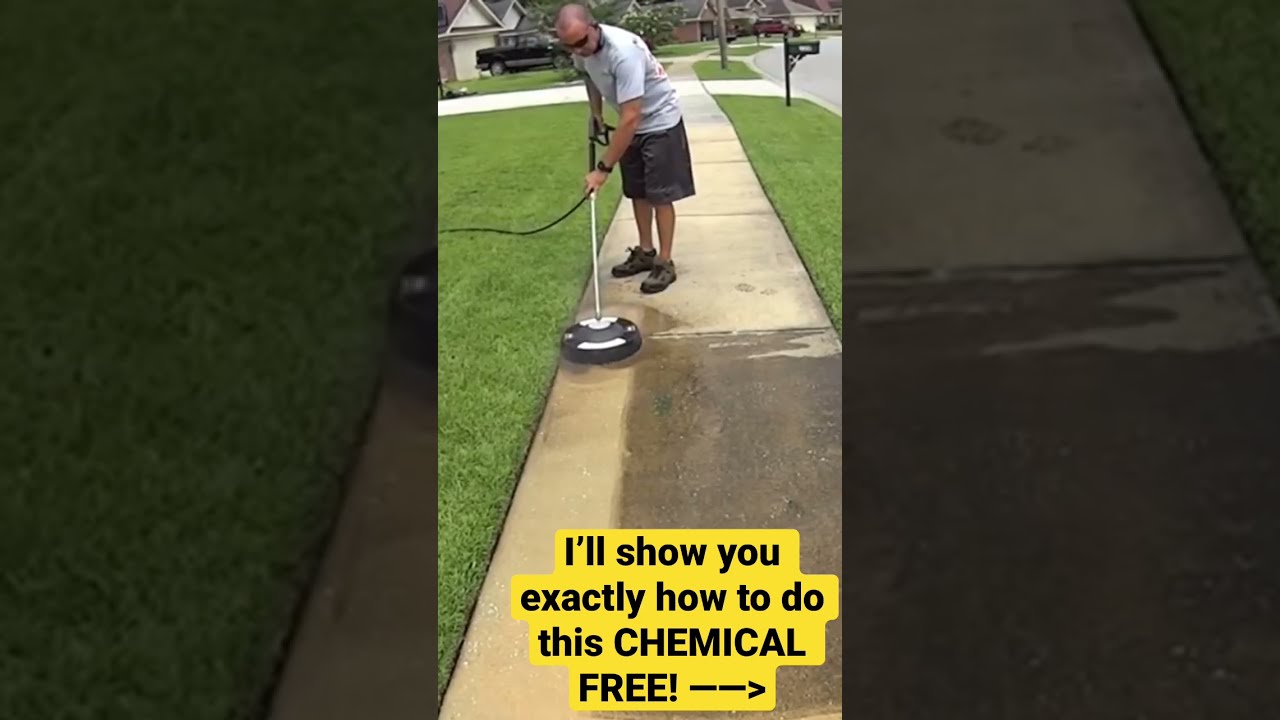
Every few months, wash exterior surfaces with a mild detergent and a soft brush or low-pressure spray. Use products suited to the surface and always follow the manufacturer's care instructions. Harsh chemicals and high-pressure cleaning can strip protective finishes and void warranties.
Maintain Protective Coatings
Keep paint, sealants and timber oils in good condition. Touch up chips and scratches promptly before corrosion takes hold. Sealing masonry and using marine-grade or corrosion-resistant fixtures and hardware can also extend the life of exposed elements.
Clear Gutters and Drainage
Clean gutters, downpipes and drainage channels regularly to prevent salty, debris-laden water from pooling. Mornington Peninsula properties surrounded by coastal tea-tree and Moonah vegetation often need more frequent gutter attention.
Lubricate Moving Parts
Clean and lubricate window tracks, door hinges, locks and gate latches with a suitable product. This prevents salt crystals from seizing hardware and wearing it down.
How Often Should You Clean?
Frequency depends on how close you are to the water and how exposed your property is. As a general guide, homes directly on the foreshore or clifftop may benefit from rinsing every one to two months and a thorough clean every three to six months. Homes further inland can often manage with a thorough clean every six to twelve months. After major storms or extended periods of strong onshore winds, an extra rinse is a sensible precaution.
When to Call a Professional
DIY rinsing is helpful, but some jobs are best left to experienced cleaners. Roof and second-storey work carries fall risks, and many surfaces need specific techniques and pressures to avoid damage. A professional exterior cleaning service familiar with coastal conditions can assess surface types, choose appropriate methods, and spot early signs of corrosion or coating failure that a homeowner might miss. Working with local providers who understand Peninsula conditions is a real advantage, since conditions in Portsea differ from those in Hastings or Somerville.
A Smarter Approach to Coastal Home Care
As of 2026, more Peninsula homeowners are building exterior cleaning into an annual maintenance schedule alongside gutter cleaning, painting and roof inspections. Climate projections point to more intense coastal weather in the years ahead, and into 2027 and beyond, so proactive care is likely to become even more valuable. Regular maintenance costs a fraction of what major repairs or premature replacements demand.
Final Thoughts
Salt buildup is easy to ignore because it works slowly and quietly. But on the Mornington Peninsula, it is one of the most consistent threats to the condition and value of your home. Routine rinsing, gentle cleaning, timely touch-ups and periodic professional attention protect your investment and keep your home looking its best. A small amount of regular care today can save thousands in repairs tomorrow.
Mornington Peninsula Pressure Washing
(03) 8686 8331